A 2013 study of almost 60,000 people found no difference in the risk of blood clots between wine or beer drinkers. Avoiding wine altogether is not necessary, but it is crucial to consume it in moderation and consult with your healthcare provider for personalized advice. Drinking too much and too often can cause a plethora of negative health consequences. Even just drinking regularly for a long time can damage the body and have harmful side effects.
- A standard drink of wine is typically defined as 5 ounces (148 ml).
- Research suggests drinking alcohol may thin the blood by affecting platelets, which are the parts of blood that initiate coagulation, or clotting.
- Yes, it’s possible for alcohol to interact with blood-thinning medications, which can increase the risk of bleeding.
- There are two main reasons why alcohol should not be mixed with blood thinners.
Apart from bleeding risks, are there any other interactions between wine and blood thinners?
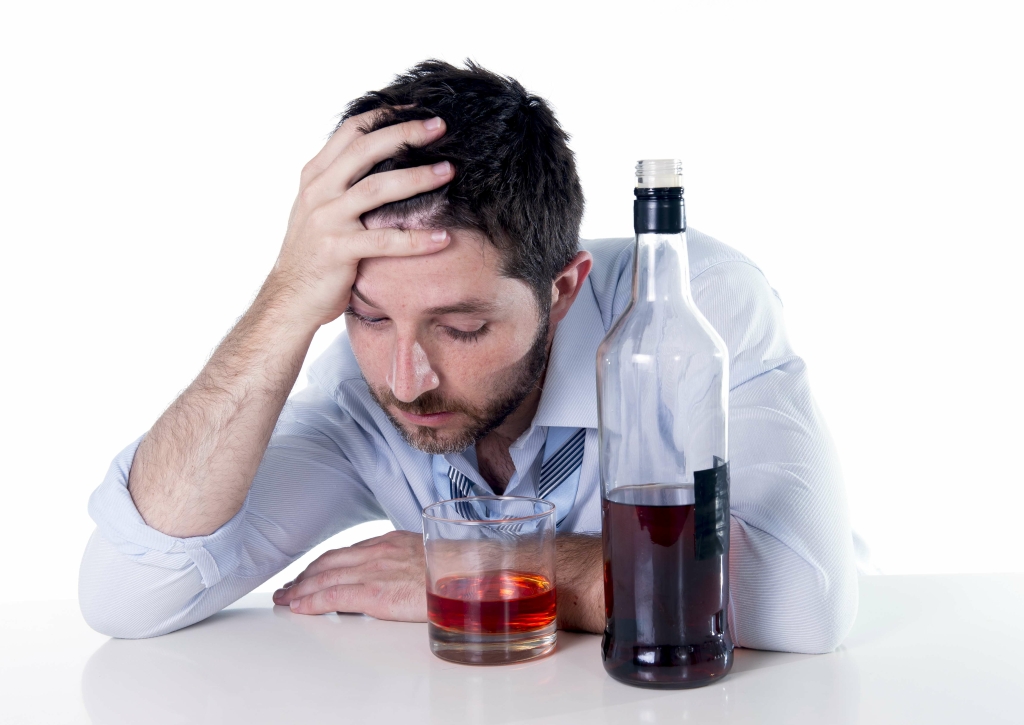
People who said they drink a lot of liquor also tended to https://ecosoberhouse.com/ binge drink, which counteracts any helpful effects you might get from alcohol in moderation. The relationship between alcohol and deep vein thrombosis may depend on what, and how much, you pour in your glass. Drinking alcohol can sometimes be a touchy issue between patients and doctors. But it’s a topic you should talk about with yours when you have deep vein thrombosis.
Wine and Its Physiological Effects
Moreover, heavy alcohol consumption can weaken the immune system, making individuals more susceptible is wine a blood thinner to infections. This weakened immune response can impact the body’s ability to heal wounds and recover from injuries, potentially affecting the blood clotting process. One of the oldest blood thinners still in widespread use is warfarin (Coumadin).
Is it OK to drink half a bottle of wine a night?
Resveratrol is found in the skin of red grapes and is believed to have antioxidant and anti-inflammatory properties. Some studies suggest that resveratrol may have a positive impact on cardiovascular health, including the potential to reduce the risk of blood clot formation. When you drink blood thinners and alcohol, it can interact with the medication and potentially increase the risk of bleeding or other adverse effects.
For individuals who are taking anticoagulant medications such as warfarin or aspirin, it is crucial to understand the potential interactions between alcohol and these medications. These interactions can vary and may have adverse effects on blood clotting. If you have concerns about the combination of alcohol and anticoagulants, it is best to consult with a healthcare professional. Red wine contains a compound called resveratrol, which has been studied for its potential health benefits.
How To Spot An Addiction In The Early Stages
However, both alcohol and Eliquis can increase your risk of bleeding. (The two substances may prevent blood from clotting.) This means that drinking alcohol while taking Eliquis could increase your risk of bleeding further. The antiplatelet effect of alcohol may increase bleeding risk without effects on the INR, a measure of warfarin effect. Platelets are important blood cells that help your body to form clots when bleeding.
- Reported protective alcohol effects may vary depending on the type of beverage, their alcoholic content or non-alcoholic components, and the quantity consumed.
- It is believed that moderate alcohol intake, particularly of red wine, may help increase levels of high-density lipoprotein (HDL) cholesterol, often referred to as “good” cholesterol.
Does Alcohol Affect Deep Vein Thrombosis?
It is best to exercise caution regardless of the beverage consumed. Alcohol is a legal psychoactive substance that can be enjoyed responsibly by adults who are amphetamine addiction treatment of the legal drinking age of 21 or older. The healthiest wine in both the short- and long-term is non-alcoholic wine. When you sip on Surely, you don’t have to worry about wine’s blood-thinning properties because there’s no alcohol in that glass. Drinking more than 3 drinks at a time may also raise blood-pressure and lead to a short-term boost in cortisol production. Cortisol is the stress hormone responsible for your fight-or-flight response.
For an intro to dealcoholized white wines, try our non-alcoholic white wine. For even less sugar, make it bubbly with our canned non-alcoholic Brut. That all said, a healthy diet and exercise can provide all those benefits without any of the risks of alcohol. Your metabolism, weight, and even what you ate that day all matter when it comes to the effects of alcohol and how long the effects will last. Red wine generally has a more pronounced blood-thinning effect than white wine due to its higher resveratrol content. However, the specific amount of resveratrol can vary depending on the grape variety and winemaking process.
Alcohol consumption has various effects on the human body, including its impact on the blood. Understanding these effects is crucial in debunking the myth surrounding the idea that alcohol can thin your blood. Let’s explore the immediate and long-term effects of alcohol on blood. Blood clots are a natural part of the body’s response to injury mediated by platelets and clotting factors (fibrinogen, thrombin) in the blood. It’s usually considered safer than regular wine, but still consult with your doctor to confirm it’s appropriate for your specific situation.
Here’s what the science says about some of the risks of drinking red wine. Contrary to popular belief, alcohol does not actually thin the blood. Blood thickness, also known as blood viscosity, is not directly influenced by alcohol consumption. The composition and consistency of blood remain relatively constant, regardless of alcohol intake. The idea that alcohol can thin the blood stems from its ability to dilate blood vessels. When alcohol is consumed, it causes the blood vessels to relax and expand, resulting in a temporary increase in blood flow.
Leave a Reply